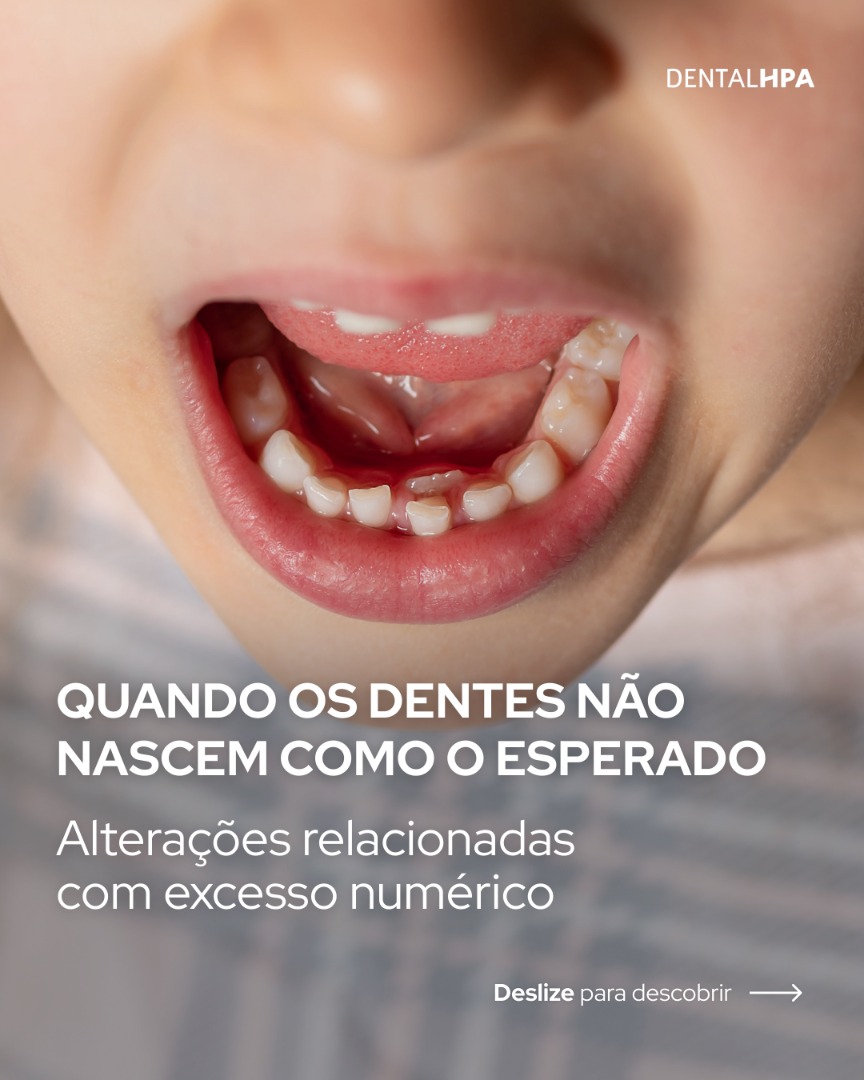





Dental development is a complex biological process, carefully regulated and influenced by genetic and environmental factors. Under normal conditions, a child is expected to have 20 primary (deciduous or baby) teeth and, later, 32 permanent teeth. However, developmental disturbances may result in dental anomalies, among which alterations in the number of teeth stand out. These can affect both primary and permanent dentitions.
Alterations Related to Missing Teeth
Dental Agenesis
Dental agenesis refers to a spectrum of conditions characterised by the congenital absence of teeth, ranging from mild to extensive and syndromic presentations, and may affect both dentitions.
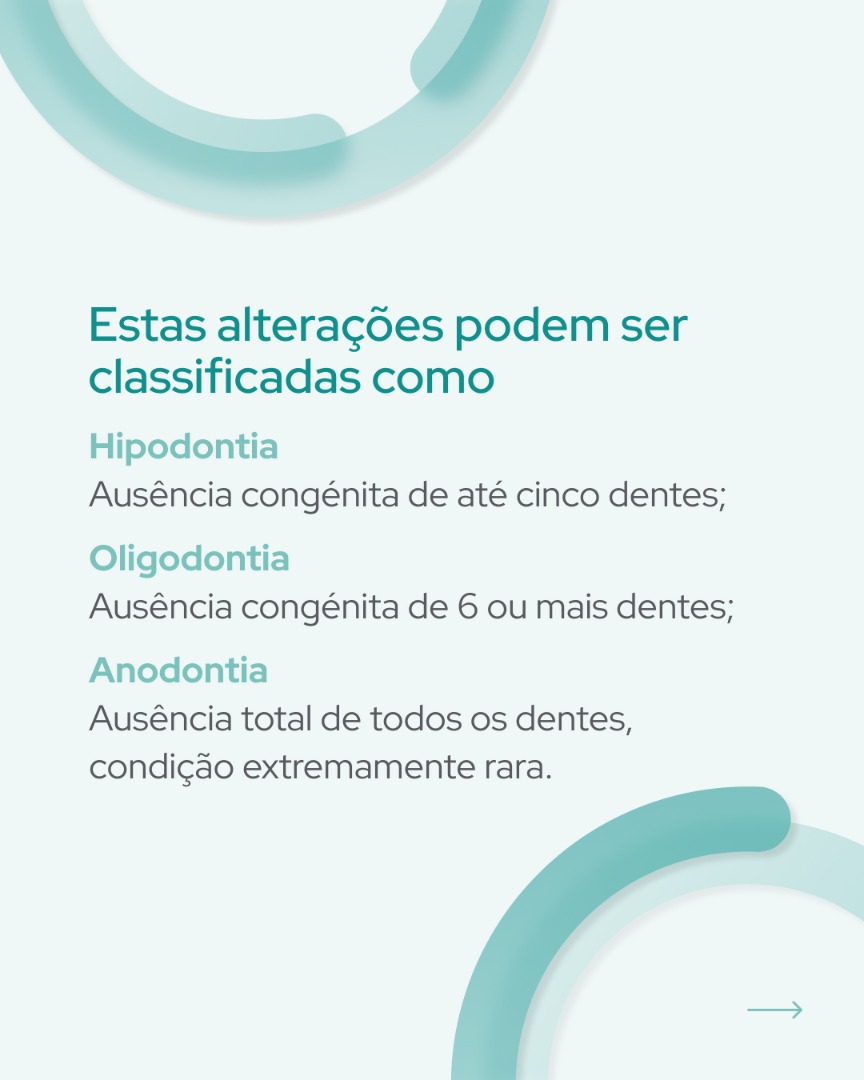
These alterations are classified as:
- Hypodontia: congenital absence of up to five teeth;
- Oligodontia: congenital absence of six or more teeth;
- Anodontia: complete absence of all teeth, an extremely rare condition.
Although third molars are the teeth most frequently absent in the general population, they are not included in the classification of dental agenesis.
Hypodontia
Hypodontia is the most common numerical dental anomaly and has a multifactorial aetiology, with a strong genetic predisposition. The teeth most commonly affected are second premolars and maxillary lateral incisors.
Possible causes include:
- Genetic factors (the most common cause), often hereditary;
- Environmental factors, such as disturbances during embryonic development, trauma to the alveolar region, use of certain medications, or severe infections during pregnancy;
- It may occur in isolation or be associated with genetic syndromes.
Clinically, hypodontia is not limited to the simple absence of teeth. It may lead to spacing, speech alterations, aesthetic compromise and occlusal imbalance (bite problems). In children, this type of anomaly has a significant impact on self-esteem and social interaction, highlighting the importance of early intervention for appropriate treatment planning, space preservation and functional development guidance.
When tooth absence is more extensive, the condition is classified as oligodontia or anodontia, leading to more complex functional and aesthetic repercussions.
Oligodontia
Oligodontia is characterised by the congenital absence of six or more teeth and is considered a severe form of dental agenesis, though less extreme than anodontia. The most frequently affected teeth include second premolars, maxillary lateral incisors, mandibular incisors and, less commonly, canines and molars.
Anodontia
Anodontia represents the most severe form of dental agenesis and corresponds to the complete absence of both primary and permanent teeth. It is an extremely rare condition, strongly associated with genetic syndromes. Due to its significant functional, aesthetic and psychological impact, intervention must begin in early childhood and include prosthetic rehabilitation, psychological support and family guidance.
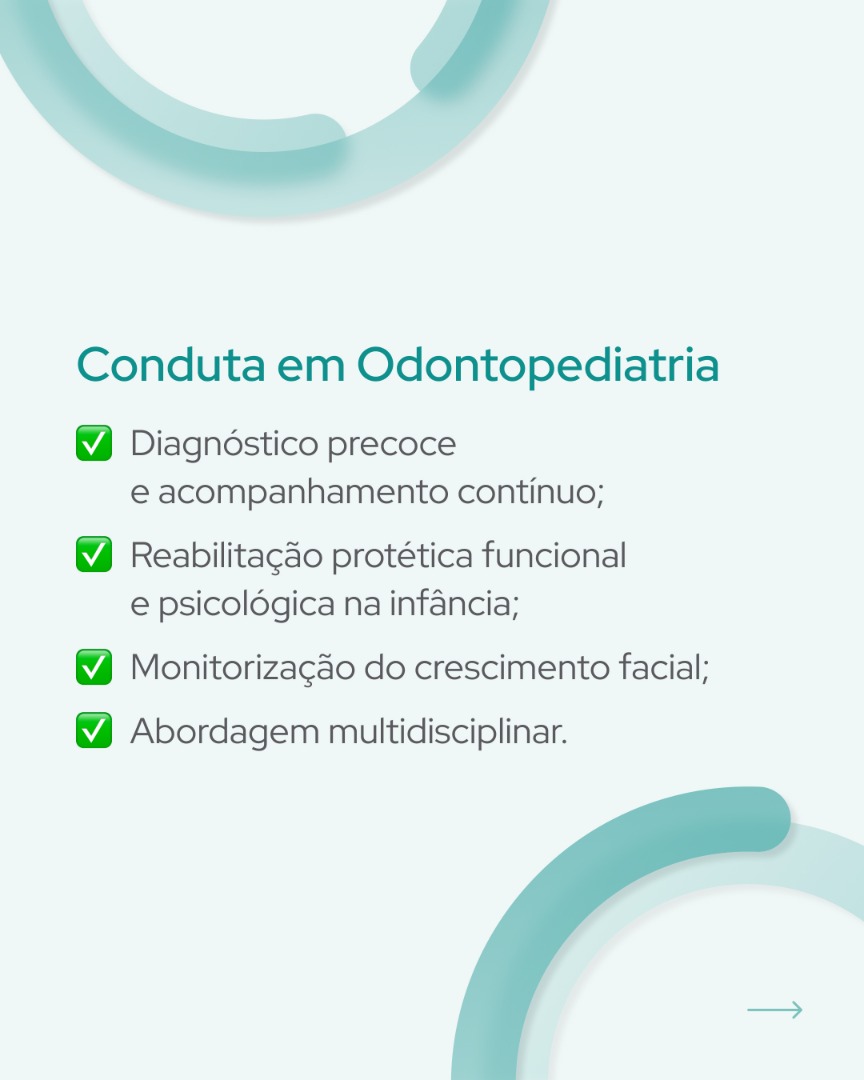
Paediatric Dentistry Management
- Early diagnosis and continuous monitoring;
- Prosthetic rehabilitation during childhood to stimulate function, optimise speech and mastication, and reduce negative psychological impact;
- Regular monitoring of bone growth and facial development;
- A multidisciplinary approach involving different dental and medical specialties.
While some children present with missing teeth, others may develop extra teeth, a condition known as hyperdontia, which also requires early diagnosis and appropriate intervention.
Alterations Related to Excess Teeth
Hyperdontia (Supernumerary Teeth)
Genetic and molecular factors may also be involved, and hyperdontia is frequently associated with syndromes such as cleidocranial dysplasia. Supernumerary teeth can appear in any area of the dental arches, but they are more common in the maxilla (upper jaw).
They may significantly interfere with normal tooth eruption, causing:
- Tooth impaction (delayed or prevented eruption);
- Eruption deviations, diastemas and occlusal alterations;
- Root resorption of adjacent teeth;
- In some cases, the formation of dentigerous cysts.
Many supernumerary teeth remain asymptomatic for long periods, reinforcing the importance of early radiographic diagnosis, particularly during the primary and mixed dentition phases.
Consequences of Numerical Dental Alterations
Discrepancies in the number of teeth, whether due to absence or excess, are not merely anatomical variations. They can trigger a cascade of effects that compromise the homeostasis of the stomatognathic system, including:
- Aesthetic implications: compromised smile harmony, greater difficulty in maintaining oral hygiene and increased risk of dental caries;
- Functional impairment: teeth function as a team, and their absence compromises masticatory efficiency and speech;
- Biomechanical and orthodontic alterations: missing or extra teeth can result in complex malocclusions requiring prolonged orthodontic treatment;
- Psychosocial factors: a significant impact on self-esteem, particularly in children and adolescents, where a noticeably different smile may cause insecurity and social withdrawal;
- Craniofacial development and bone stimulation: both tooth absence and excess directly interfere with the development of dental arches and jaw bones, leading to unbalanced maxillary growth.
Diagnosis
Early identification of these anomalies is essential because it:
- Allows early detection of functional and aesthetic problems;
- Enables multidisciplinary planning and prevention of future complications;
- Supports parents and children through psychological and educational guidance;
- Ensures that orthodontic and prosthetic interventions occur at the optimal biological time.
Diagnosis is based on medical history, clinical examination and radiographic assessment. In Paediatric Dentistry, monitoring the tooth eruption timetable is essential to identify suspicious delays or absences, enabling early intervention.
Clinical examination: counting erupted teeth, assessing alignment, and identifying retained teeth or eruption abnormalities.
Radiographic examinations:
- Orthopantomogram (Panoramic Radiograph): global assessment of missing or supernumerary teeth;
- Periapical or occlusal radiographs: detailed analysis of tooth position and morphology;
- CBCT (Cone Beam Computed Tomography): increasingly used in Paediatric Dentistry to accurately locate mesiodens or impacted teeth in relation to adjacent roots.
Family history and systemic evaluation: identification of hereditary patterns and assessment of associated syndromes in cases of multiple anomalies.
Complementary examinations: genetic testing in severe cases of oligodontia or anodontia.
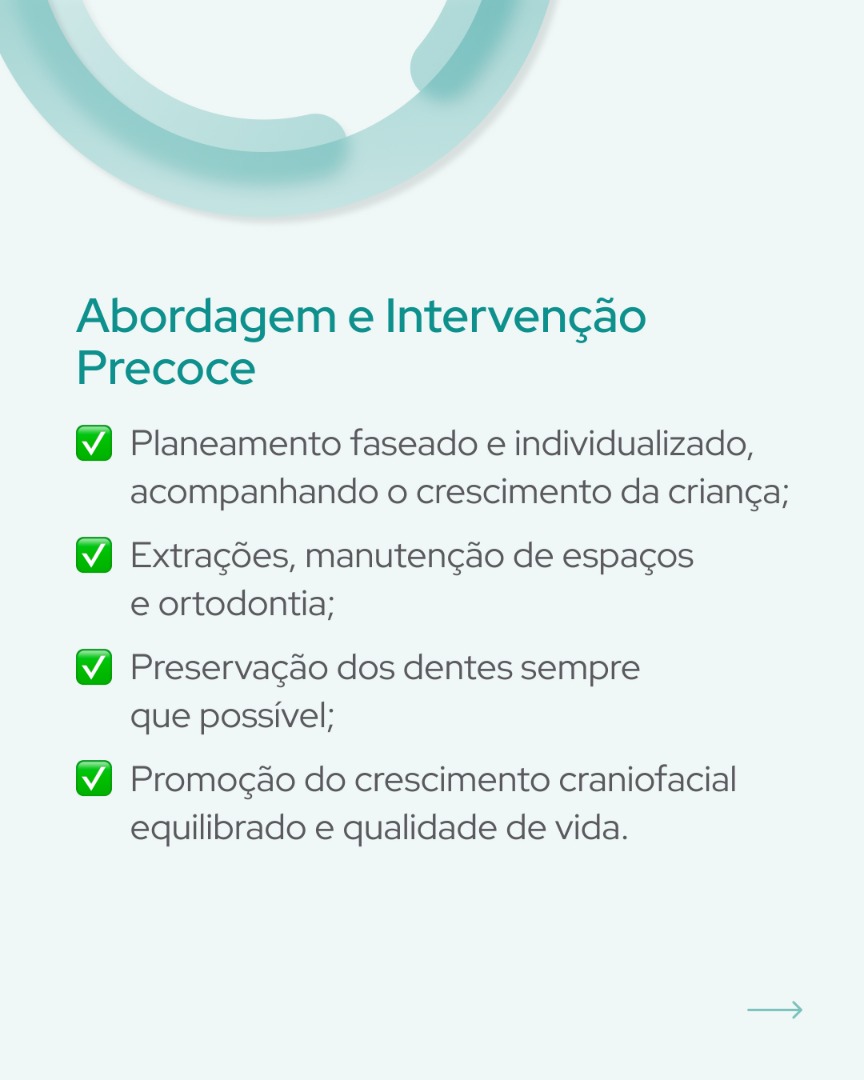
Once a numerical alteration is identified, the next step is to plan an individualised intervention, taking into account the child’s growth and development.
Therapeutic Approach
Treatment of numerical dental anomalies should not be viewed as an isolated intervention, but rather as a carefully phased and forward-looking plan that follows the child’s growth. Decisions such as extraction of supernumerary teeth, space maintenance, orthodontic space closure, preservation of primary teeth, prosthetic rehabilitation or placement of dental implants (contraindicated during growth) must consider the child’s age, stage of dental development and functional and psychosocial impact. Individualised, specialised and multidisciplinary follow-up is essential.
In cases of dental agenesis, the primary tooth should be preserved for as long as possible, as it acts as a natural space maintainer and helps preserve alveolar bone volume, facilitating definitive solutions in adulthood.
The prognosis is highly favourable when intervention is early, minimising cumulative effects on craniofacial growth and ensuring that the child reaches adulthood with a functional, healthy and aesthetically harmonious dentition.
The Importance of Timely Intervention
Alterations in the number of teeth, whether due to absence or excess, extend far beyond dental aesthetics. They significantly impact a child’s overall development, affecting mastication, speech, appearance, craniofacial growth and psychosocial well-being. Early diagnosis and intervention aim to minimise cumulative effects, restoring function and facial harmony throughout the child’s development.
With specialised monitoring and an individualised treatment plan, children with these conditions can achieve balanced oral health, confidence and quality of life, provided there is adherence by both the child and family to treatment and ongoing follow-up.
In this context, Paediatric Dentistry goes far beyond dental treatment alone. Through timely diagnosis and a multidisciplinary approach—often involving orthodontics, surgery and psychology—it is possible to transform what could be a functional limitation into a successful rehabilitation journey.
Investing in children’s oral health is, ultimately, an investment in future quality of life and social well-being, ensuring that every child can smile with confidence and full functionality.
Content developed by Dr Mariana Costa
16, January 2026